From The Full Story, October 2026. Read every issue.
In this edition: a global consultancy refunded a government over an AI-assisted report full of errors. Coca-Cola changed nothing about a drink and people started reaching for it first. And a scanner in a Joburg clothing store found one t-shirt in a pile of dozens with a simple swipe. This month is about the small, unglamorous details that make a huge difference to how people respond to your brand.
01. Deloitte's AI report shows what happens when nobody checks.
AI can make the work go faster, but it can't take responsibility for the mistakes.
In December 2024, Australia's Department of Employment and Workplace Relations hired Deloitte, in a contract worth about A$440,000 (US$290,000), to review the IT system that applies penalties in the country's welfare system. The report, first published in July 2025, contained a fabricated quote attributed to a federal court judgment and references to academic research that didn't even exist. A Sydney University researcher, Chris Rudge, flagged the problems. Deloitte later disclosed that it had used a generative AI tool (Azure OpenAI) in producing the report, published a corrected version in October 2025 and refunded the final instalment of its fee. The department stood by the substance of the review.
When an AI tool produces information that sounds convincing but is false, such as a quote nobody said or a study that was never written.
This was not a once-off incident. A separate Deloitte report for the government of Newfoundland and Labrador in Canada, worth about CA$1.6 million, was reported to contain citations that couldn't be verified. The province's accounting watchdog announced an investigation, but said that it couldn't proceed because the contract was held by Deloitte Inc. rather than its registered accounting firm. Deloitte said it used AI to support a small number of citations and stood by the findings.
Both reports were work that clients pay for because they can rely on it. When a source that doesn't exist is cited in work like that, the refund is the smaller cost compared to the invaluable trust that is diminished and the company's reputation that is tarnished. The client starts asking what else was not checked, and that can cast dangerous levels of doubt in your clients' minds.
Ipsos's 2026 AI Monitor found that 53% of South Africans say products and services using AI make them nervous, against a 32-country average of 50%. Where accuracy matters, an error that nobody caught raises the question of who was responsible for the work, and that's how you start losing the trust of your customers.
The takeaway: Your name goes on the work, whoever or whatever wrote it. AI used with a person who checks it is a completely different thing from AI trusted on its own. And at the end of the day, the mistakes made with AI that you didn't check is still your problem.
“A lot of businesses think the move to AI is going to make things quick and easy and smooth and human free, saving cost. But when you don't have proper human input and you just trust without properly checking, you're going to have massive issues in the work you created. Besides the work, people won't trust you as a company anymore. It's so important to have people who understand how to use AI correctly.”
 Matt MassonManaging Director
02. Coca-Cola Zero Sugar Zero Caffeine gets a new look.
It's the same drink in new packaging, but customers stopped to ask whether it was a completely new product.
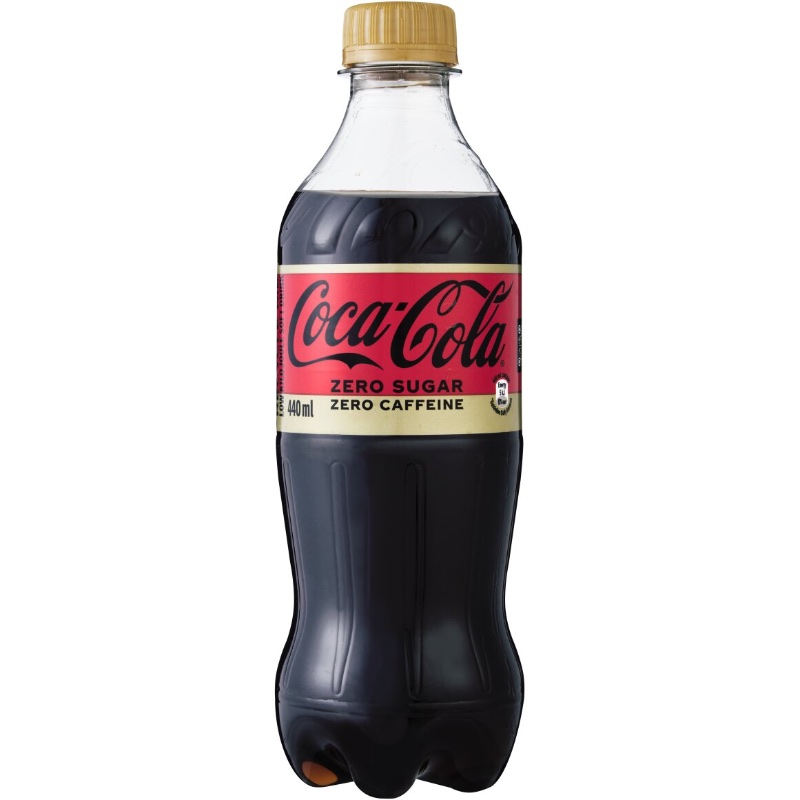
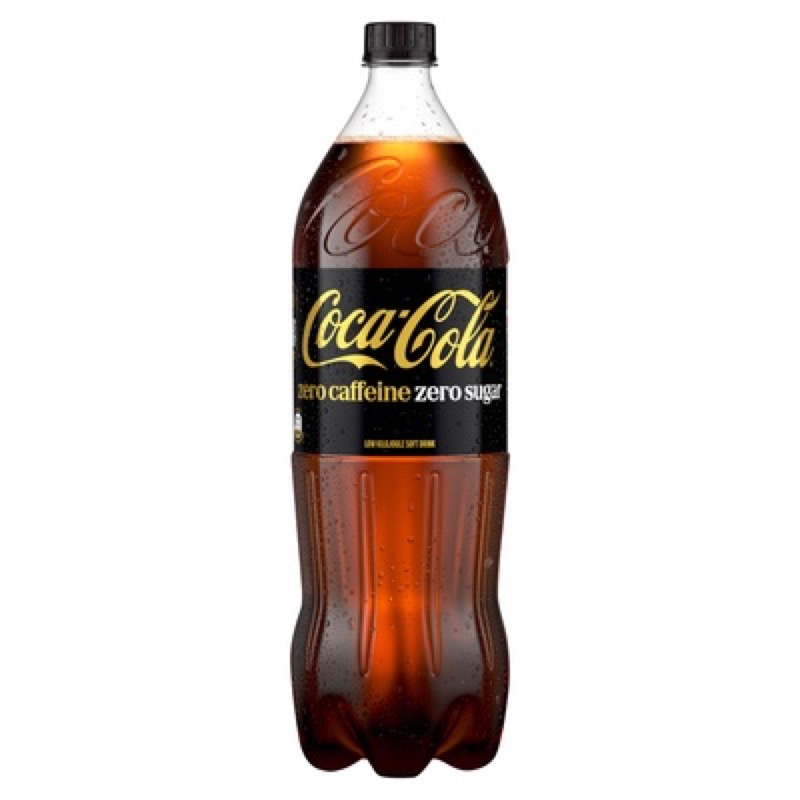
Earlier this year Coca-Cola relaunched its caffeine-free, sugar-free Coca-Cola in a black and gold pack, first launched in Europe earlier this year. Coca-Cola Europacific Partners' stated reasons were shelf visibility, a modern feel and a focus on evening occasions. On 20 July, the company went further, launching a new global visual identity across more than 200 markets, with a black Dynamic Ribbon, black bottle caps and larger Zero Sugar lettering. North America follows in 2027.
We can't comment on the financial success that this brings for Coca-Cola, but what we've noticed is people's positive response to the new look. Previously, the only difference between a Coke Zero and a Coke Zero Sugar, Zero Caffeine, was a simple gold thread that pulled through the label. In all honesty, we only reached for that bottle when a regular Coke Zero wasn't available. But now, the black and gold look reads as more high-end, closer to a limited edition. It definitely looks classier and more chic, which is what drew us to it when it was first launched on South African shelves. Exclusivity tends to lift interest in a product, and a packaging change costs far less to try than a product change. Now, we reach for the Zero Sugar Zero Caffeine first.
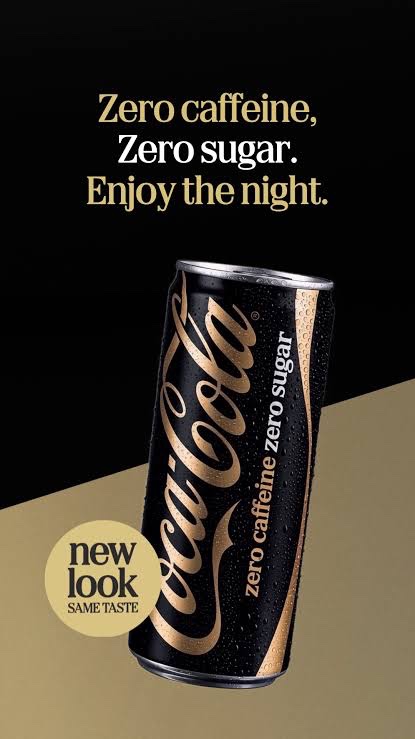
For a brand that has been good at marketing for well over a century, noticing that something could work harder and adjusting it says something about how it runs its brand. If a 134-year old company can try something and then pivot, so can you.
The takeaway: The packaging of your product is a message that you're sending out to your potential customers. Even the biggest brands treat how it looks as something to adjust, test and refine.
“It looks more high-end and more luxurious, more like a limited edition. And when something is exclusive, it tends to drive up the uptake of that specific product. They might be testing this new packaging to see how they can increase the sales numbers of Coke Zero Sugar Zero Caffeine. Personally, I have bought this drink more since the new packaging launch than ever before.”
 Tayla MassonMarketing Manager
03. Being noticed and being known are two different jobs.
A video that holds attention for 20 seconds can be forgotten by the time the next one loads.
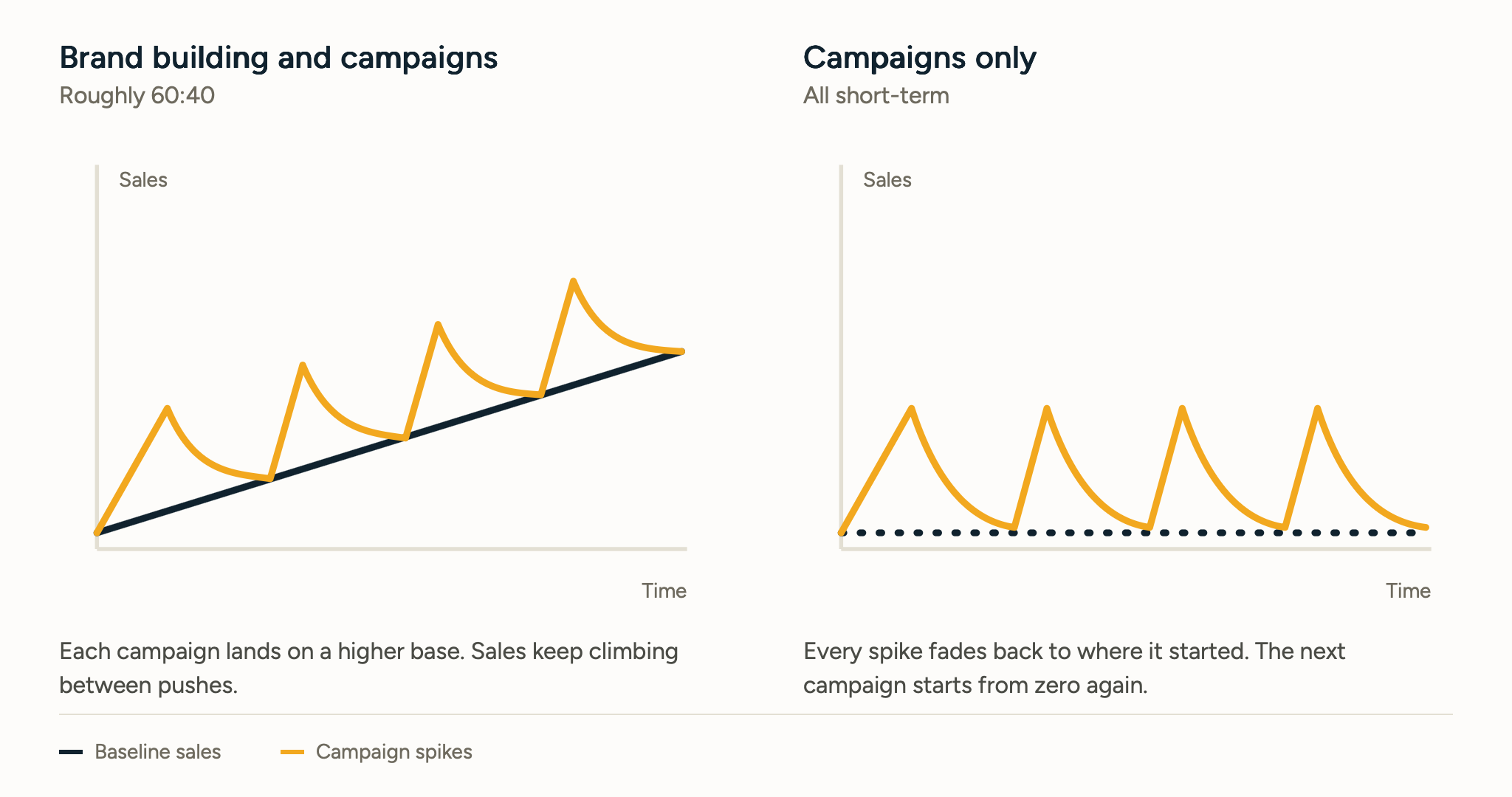
Being noticed is when someone scrolls past your video and sees it. It's quick and it's fleeting. Being known is a continuing relationship, where your name is the one that comes to mind when the need appears. Many businesses put most of their budget into the first and let the second slide, because short-term campaigns are easier to measure.
Businesses often neglect the balance that's needed. In The Long and the Short of It, Les Binet and Peter Field found that the best-performing budgets split roughly 60:40 between brand building and activation. Separately, Professor John Dawes of the Ehrenberg-Bass Institute argues that about 95% of potential B2B buyers are not in the market at any given time, so most of the people you want to reach are not ready to buy yet. What they remember when they are ready is the result of everything that came before.
How easily and how often your brand comes to mind when a buyer is in a buying situation. It is built through repeated, consistent exposure over time.
That is the thinking behind how people name brands without prompting. Ask someone about online shopping in South Africa and Takealot comes up. Ask about property or construction in Johannesburg and Barrow comes up. Ask about financial software and Sage comes up. Being the name that comes up is the result of a mix: short-term paid campaigns that get you noticed, and long-term brand building that makes you known.
The takeaway: Campaigns get you noticed this month. Consistency, trust and value delivered again and again get you known for years.
04. More South Africans are moving inland.
For years, moving provinces meant leaving Gauteng for the coast, and that's still the busiest route. Gauteng to the Western Cape made up about 22% of the moves Wise Move handled in 2025. The traffic coming the other way is growing faster: Wise Move counted 58.6% more moves from the Western Cape to Gauteng in 2025, and moves from KwaZulu-Natal were up 54%.
People heading to Gauteng tend to move up in size. In Wise Move's data, 37.8% of Western Cape to Gauteng movers went into a larger home, against 25.6% going the other way. Price plays a part too. PayProp's rental index put average rent in Gauteng at about R9,100 a month in the final quarter of 2025, against about R11,900 in the Western Cape.
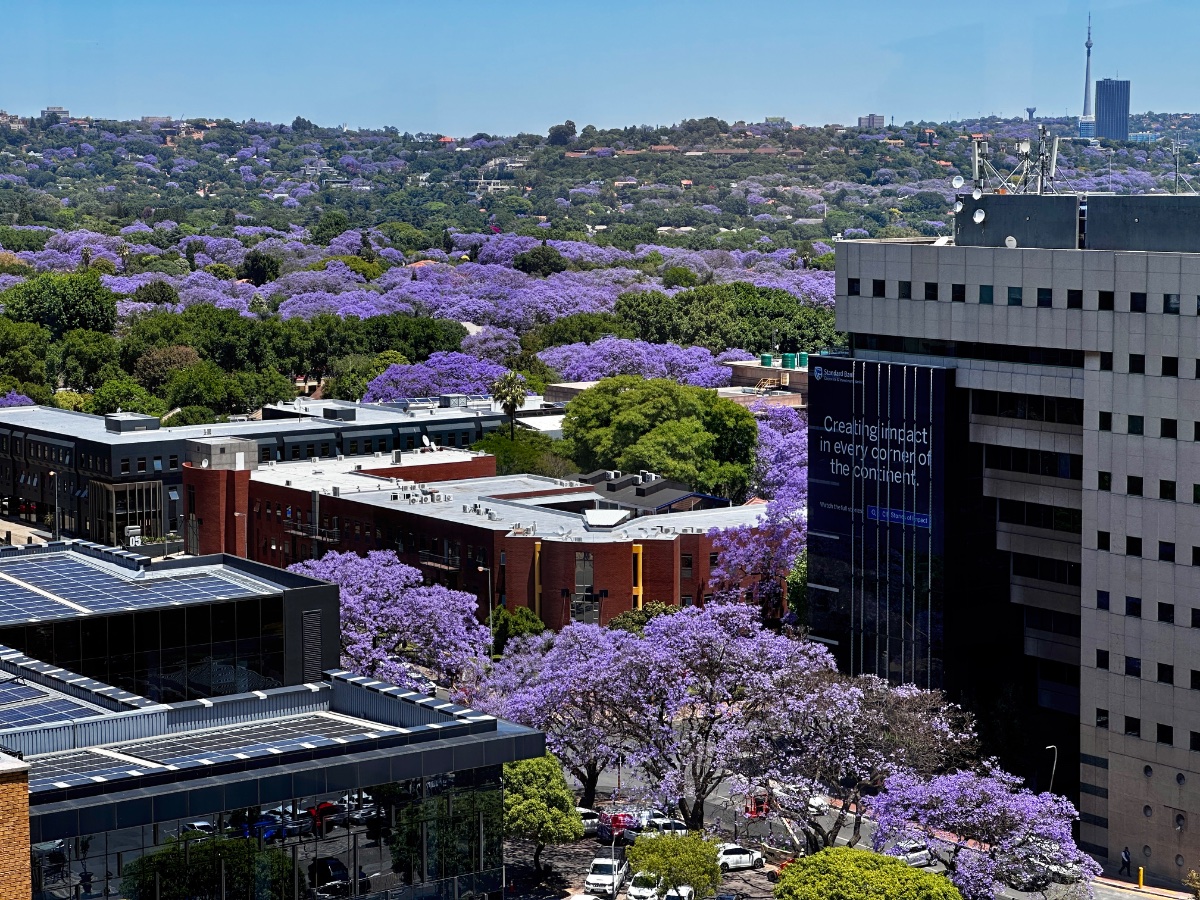
They are arriving in a slow market. Residential activity fell about 8% year on year in the second quarter of 2026, yet RE/MAX reports that Gauteng made up roughly 48% of deals in its network, up from 38% in 2024. Buyers are finding new ways in, including FNB's collective home loan, which lets up to 12 people share a bond and has advanced more than R1 billion since launching in late 2021.
The takeaway: Where people choose to live shapes who your customers are, what they can afford and where they are looking for work. The direction of travel is worth watching.
05. A local clothing brand showed us what great stock management looks like.
Knowing what you've got on your shelves sounds basic but few retailers do it well.
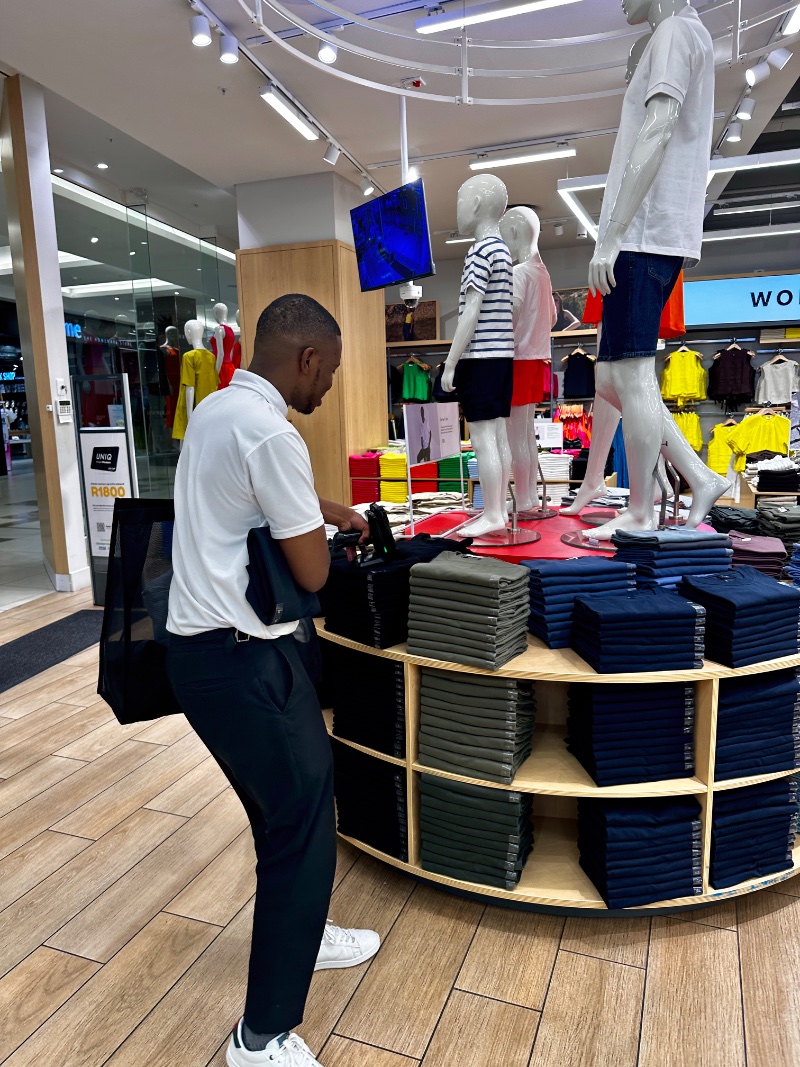
Radio-frequency identification. Small tags on each item that a reader can pick up without scanning them one at a time, so a store can find and count its stock quickly.
At H&M, a global brand, the store we visited could not tell us what it had in stock or check other stores for the item we wanted.
Auburn University's RFID Lab research found retailers' inventory records averaged around 60% accurate, rising above 95% in RFID pilots. When records are wrong, a shopper hears "we don't have it" while the item sits in the back.
A local brand with around 50 stores using that same kind of technology suggests South African businesses can compete with international names on how they serve customers.
The takeaway: Good service is a system. The customer feels it at the moment someone finds the exact item they asked for.
To sum it up
- Trust becomes the scarce thing. As more AI-made work reaches customers, expect more clients to ask where AI was used and who checked the result.
- Coca-Cola's rollout is worth watching. The new global identity reaches North America in 2027, which will give a much bigger read on how the redesign performs.
- Budget season is a good time to look at the split between brand building and paid campaigns. As 2027 plans take shape, it is worth looking at how much goes to short-term campaigns and how much to building a brand people remember. Binet and Field's 60:40 is one reference point.
- AI skills will matter more than AI access. Everyone can open the tools, but the businesses that benefit will be those with people who know how to direct the output and check it.
Sources
Where the numbers and quotes in this issue come from.
- 01 Deloitte: Fortune / AP: Deloitte to refund the Australian government over AI errors · The Independent: Deloitte's Newfoundland and Labrador health report · Ipsos AI Monitor 2026
- 02 Coca-Cola: Coca-Cola Europacific Partners: the Zero Sugar Zero Caffeine relaunch · The Coca-Cola Company results filing, 2026 · Coca-Cola's new global visual identity
- 03 Noticed vs known: Les Binet and Peter Field, The Long and the Short of It (IPA) · John Dawes, Ehrenberg-Bass Institute
- 04 Moving inland: Wise Move 2026 Migration Report · PayProp Rental Index, Q4 2025 · RE/MAX, Q2 2026 · FNB collective home loan · BusinessDay: FNB collective home loans top R1bn
- 05 UNIQ: Shoprite: UNIQ reaches 50 stores · Auburn University RFID Lab
Links for you
- The Full Story: September edition. Catch up on our last issue, in full on the website.
- The trends behind this issue. More of our notes on AI, branding and what is working in SA marketing right now.
- Success stories. The work behind the ideas in this newsletter.
Help shape the next issue
What would you like more of in The Full Story? Tap a topic, it'll take you to the poll with your pick already selected. We read every reply.