From The Full Story, September 2026. Read every issue.
This issue: why good branding can only carry a business so far, why the whole world is arguing about two planes over a Cape Town stadium, and what a viral reel about an argument over a colour taught us about paying for real creative work.
01 · The smash burger is shrinkflation with excellent branding.
Good branding can get people to pay more for less, but it doesn't mean they should.
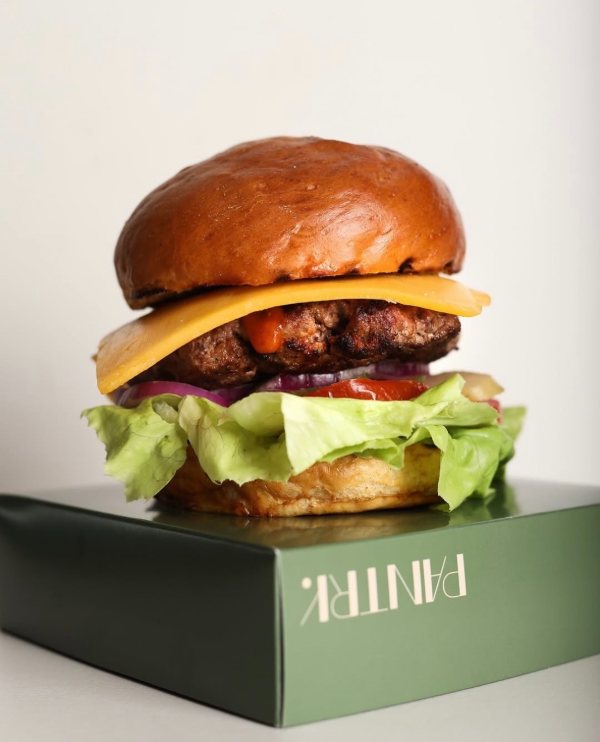
When a product gets smaller, cheaper to make, or lower in quality while the price stays flat or rises, usually dressed up in branding strong enough that customers don't clock the trade-off straight away.
None of that slowed the trend down at first. Being new and photogenic helped: sharp branding, punchy names, a format built for a well-lit photo, wrapped around a product that gives you less for more. That gap between perception and substance can carry a business for a while.
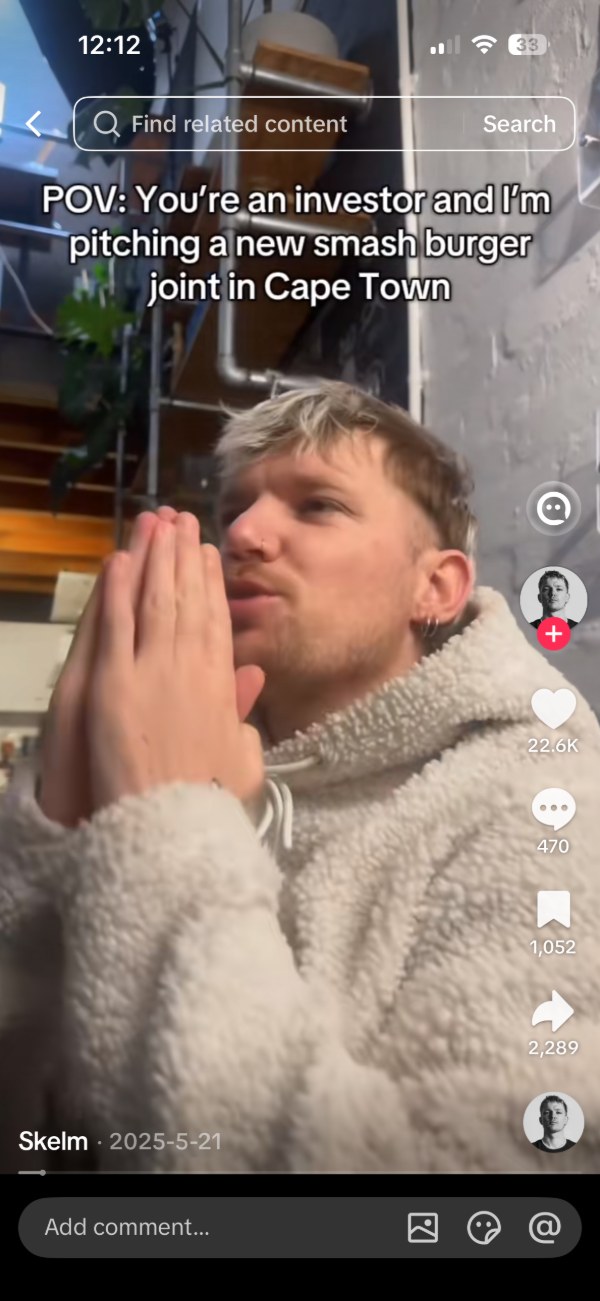
A burger and chips used to be called a “burger AND chips” for a reason. We used to be a country.
The takeaway: Let's call it what it is: selling something without value behind it is a scam, and this one might be nearing its end. The businesses still standing once the trend fades will be the ones where the product earns the loyalty that the branding has built.
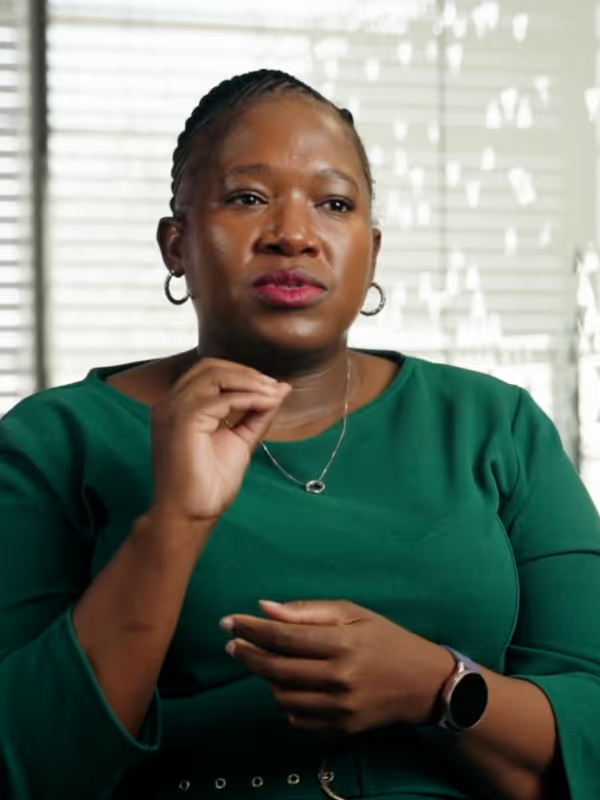
“You can make a mediocre product and still do well, if you communicate it properly and build a brand people want to be part of. But branding on its own won't save you. At some point people work out whether they're getting real value, and if they're not, they'll walk somewhere else. Good branding paired with a mediocre product might get the sales, but it won't get the loyalty.”
 Matt MassonManaging Director
02 · SAB's numbers show what premium beer is really selling.
When your product is nearly identical to your competitor's, brand belonging is often the only thing left to compete on.
SAB's most recent results, reported at the start of August, show South African beer volumes down by a low single digit percentage even as revenue climbed by around 6%. The reason is that premium and super-premium beer brands, Corona among them, grew volumes by close to 30% and gained market share, even as overall beer consumption softened under cost-of-living pressure.
People are drinking less, but when they do drink, more of them are choosing to spend more to do it properly.
What it comes down to is what a brand is actually selling. A pilsner and a premium lager aren't especially different as products. What differs is what drinking one over the other says about the person doing it, and the tribe they're signalling they belong to.
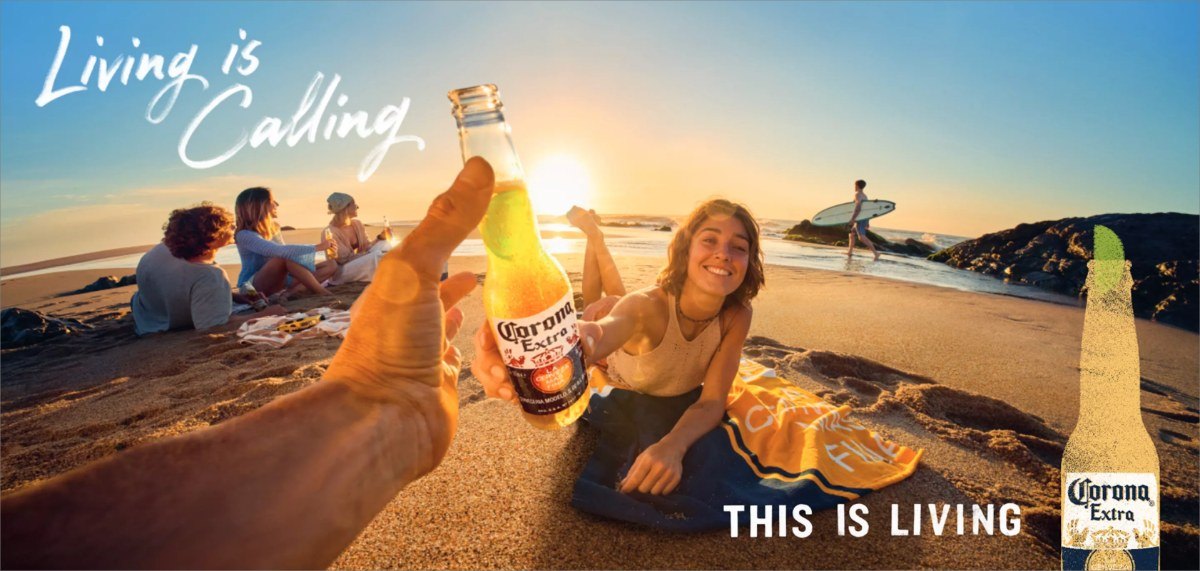
When you think of “branding”, you typically think about a logo and a colour palette, but arguably the most important ingredient in a brand is the feeling it sells. The feeling is built as deliberately as the product itself. Say Corona and most people picture a beach, a lime wedge, and a slow afternoon, before they've given a thought to how the beer actually tastes. That feeling is what people are really paying for when they reach for the pricier option, and once you strip the branding away, it's often the only thing separating one beer from the next.
During tighter economic periods, people don't cut spending evenly. Big purchases get shelved first — holidays, upgrades, nights out — while spending on small, affordable indulgences often holds up, or even climbs, because people still want a treat they can justify. Economists have a name for it.
The pattern where people cut back on big purchases during hard economic times but keep buying small, affordable indulgences instead. First noticed when lipstick sales climbed in the aftermath of the September 11 attacks, and traced back further still to cosmetics sales holding up during the Great Depression. It isn't a perfect predictor, and the evidence for it is mixed, but it shows up often enough that economists still keep an eye on it.
If your customers are tightening their belts, the businesses offering a genuinely better experience within that category, not just a cheaper one, may be the ones holding their ground.
The takeaway: In a saturated category where the product barely changes from brand to brand, belonging is often the only thing left to sell. Ask what your customer is signalling by choosing you, not just what they're buying.
“People want to feel part of something. It's the same reason someone becomes ‘a runner’ and joins a running club, or ‘a reader’ and joins a book club. A brand can create that same feeling. Mention Aperol Spritz and you're already picturing the beach and the sunset. That feeling is the product as much as the drink is.”
Matt MassonManaging Director03 · Airlink flew two jets 12 metres over a packed stadium, and the world hasn't stopped talking about it.
A marketing stunt only really works if people are still talking about it days later. By that measure, Airlink just landed one of the most effective pieces of sponsorship activation South Africa has produced this year, whatever you think of how they did it.
On 29 August, two Airlink jets, one in Springbok green and one in All Blacks black, flew a tight formation pass over Cape Town's DHL Stadium ahead of the Rugby's Greatest Rivalry Test, where Airlink is the official airline partner. Airlink says it had prior approval and flew within agreed limits.

The reaction split along a border. Inside South Africa, it mostly read as pride, and the Sports Minister called it spectacular. Overseas, UK and Australian outlets ran it as a near miss, and one local aviation expert called it technically approved but “a little unwise.” A few international commentators were blunter still, pointing out the matched liveries and timed pyrotechnics were built for a shareable clip, and asking what happens to that same footage engine if a pass ever goes wrong.
The takeaway: The history of marketing has always been about pushing the boundaries and taking risks, but companies should be asking at what point the risk to people's lives outweighs the marketing benefit.
“I think it's an incredible showcase of the skill and talent that lives in this country, and it's amazing watching South Africans defend Airlink's decision to pull it off. The safety questions have mostly come from abroad. As we say here, hulle weet nie wat ons weet nie — they don't know what we know. There's a real pride South Africans carry around rugby, and if there was ever a place that could pull off something this bold, it was always going to be South Africa. No DNA, just RSA.”
 Tayla MassonMarketing Manager
04 · What a viral reel about a colour taught us about creative work.
Two people arguing about a colour that wasn't rendering right on their screens is what actually took off, not a polished before-and-after.
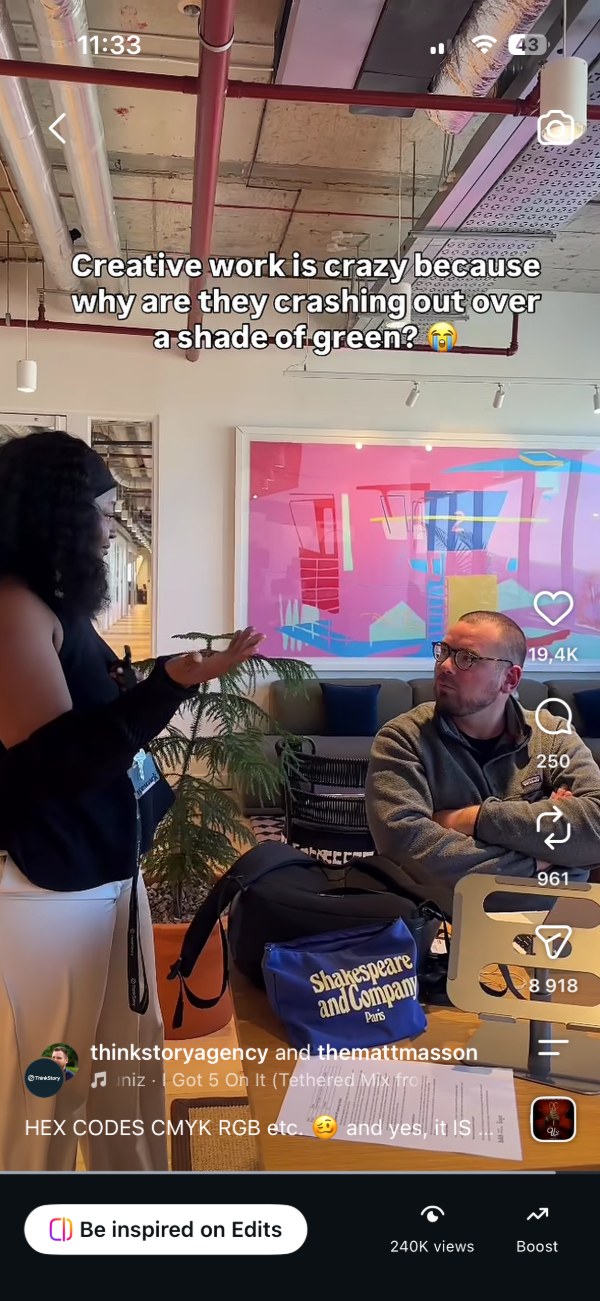
Thousands of other creatives — designers, editors, writers — commented and shared the reel, because they'd experienced the same frustration, labouring over something a client would never even notice. That's usually the fastest way anything travels on social media. Not polish, but the feeling of being seen. People share what feels like it was made about them far more readily than they share what merely impresses them.
Straight from the comments
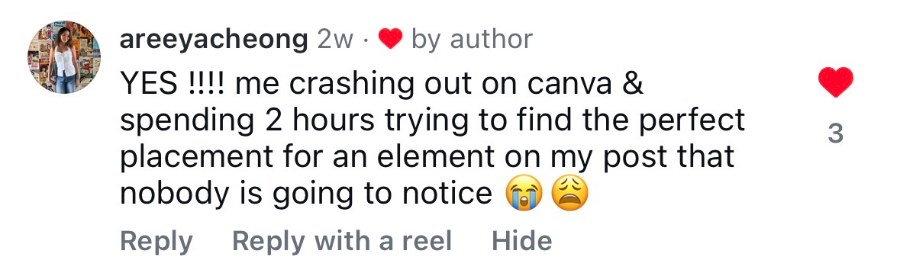

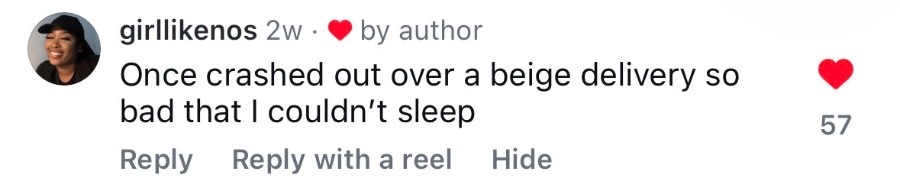
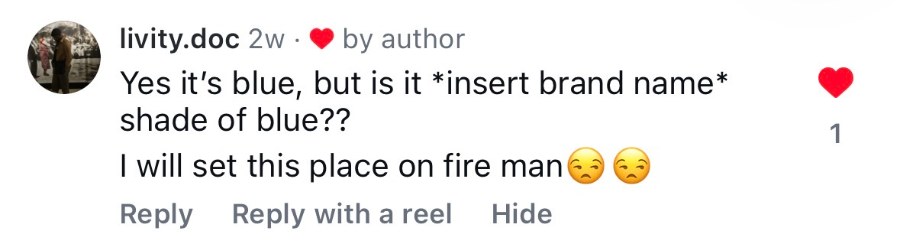
The takeaway: When you pay for good creative, you're paying for people who will keep fighting for the right answer past the point where “good enough” would do.
“When we're fighting over the smallest details, that's not us being precious. That's the job. If your team isn't arguing over the small stuff, they're settling for the first answer instead of pushing for the right one. That's the real difference between hiring a person and generating something with AI. AI settles for version one. A person keeps going until it's actually right.”
Matt MassonManaging Director05 · Behind the story, and what we're watching for the rest of 2026.
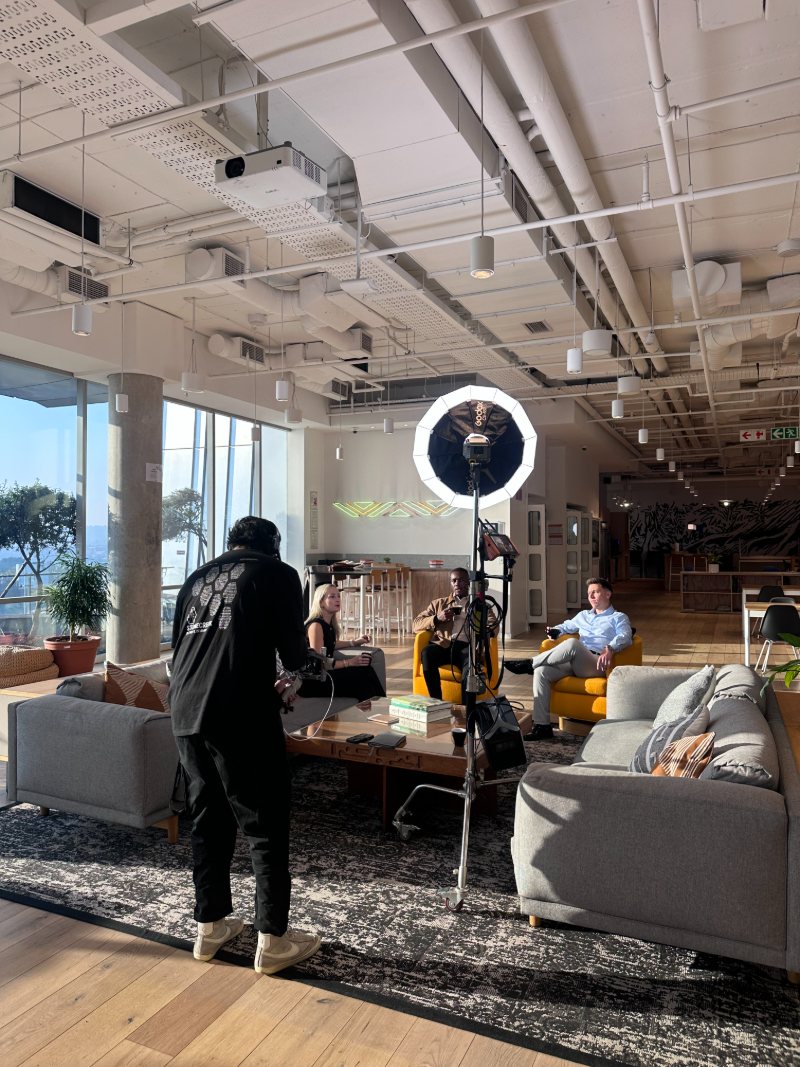
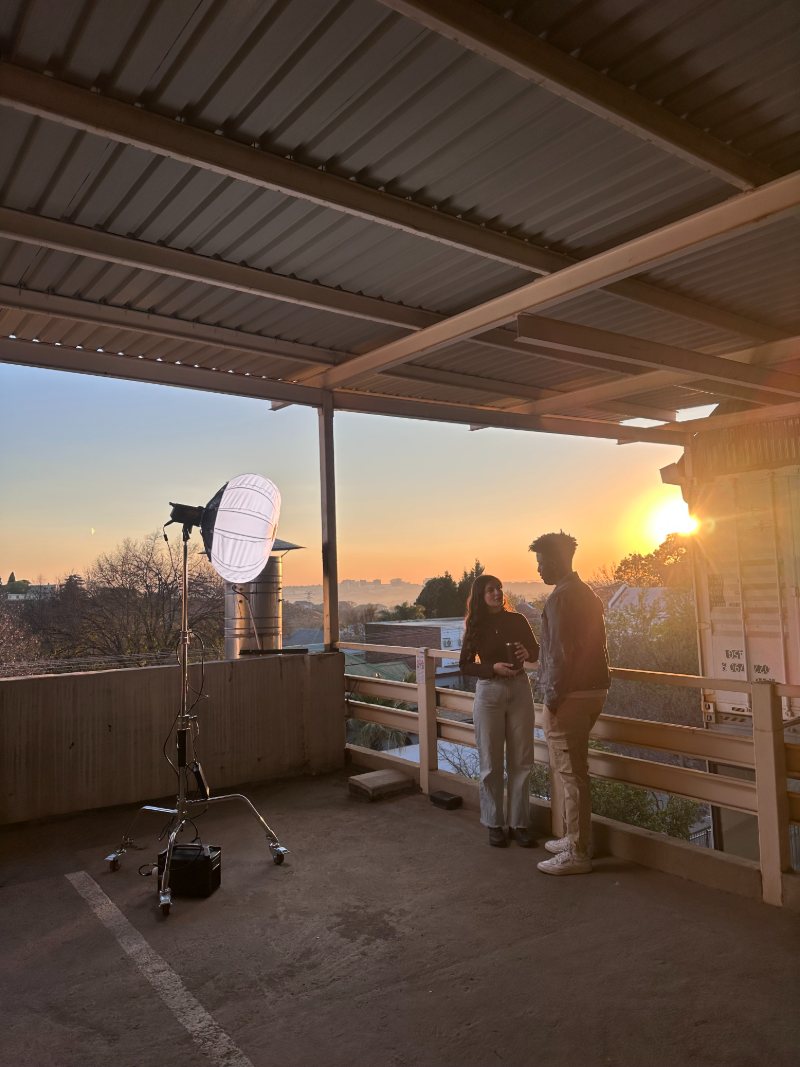
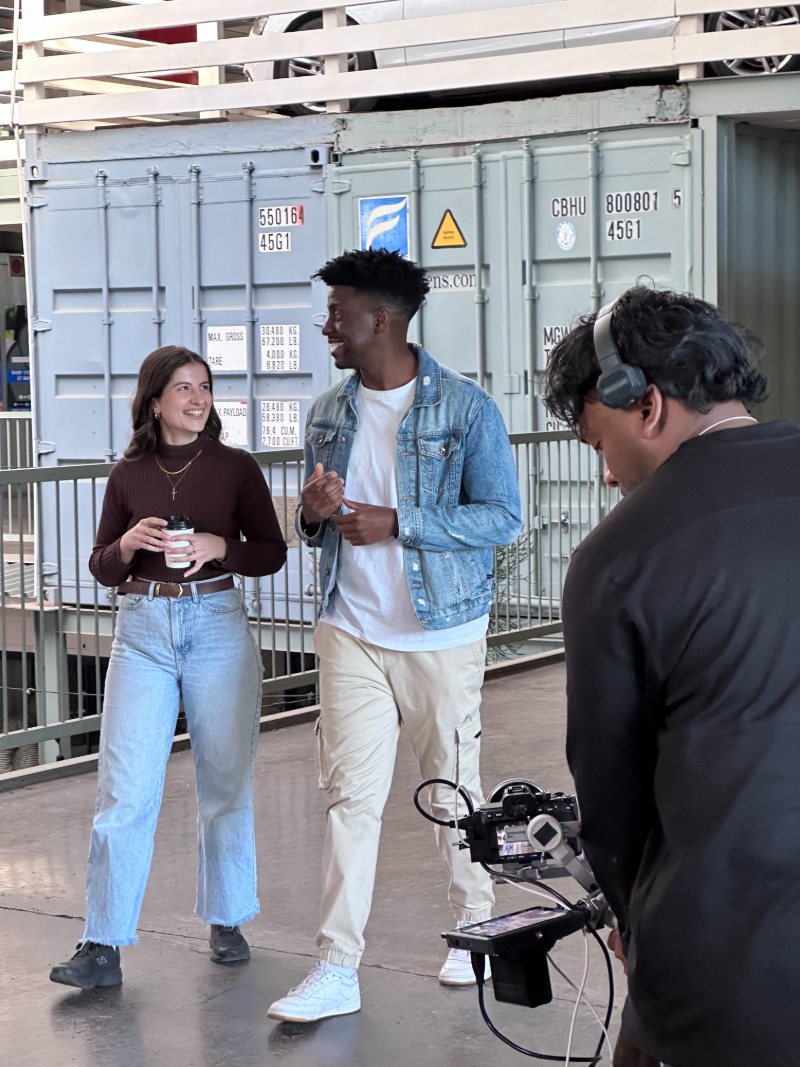
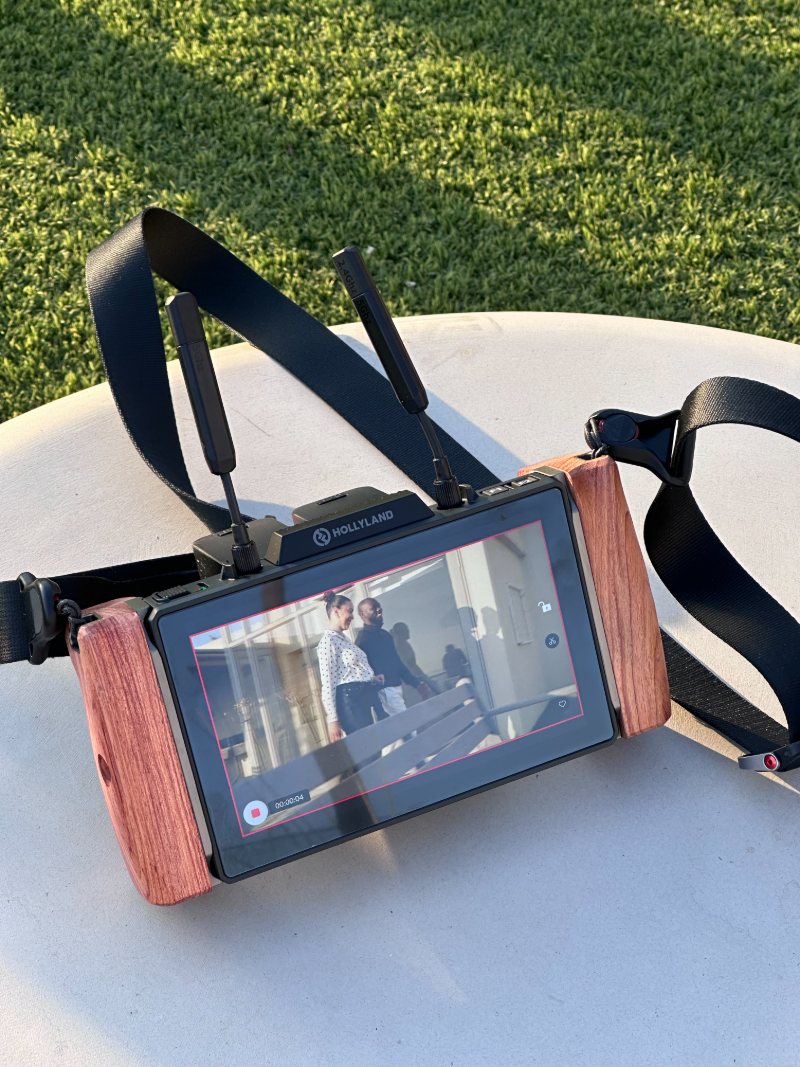
We've just wrapped one of the most unique projects we've had the pleasure of taking on this year: a full, bespoke image library for the Sage Foundation, built specifically for their upcoming Sustainability Report. Two weeks of planning turned into eight shoots across six days, four locations (WeWork, the roof of Oxford & Glenhove, 27 Boxes, and the Johannesburg Botanical Gardens), fourteen models, and 11,259 images narrowed down to the 100 selects we handed over. An exhausting week, but a genuinely exciting one too.
The brief was simple to say and hard to do: give Sage something to reach for instead of generic stock photography that never quite looks like them. Their team called it the most on-brand deliverable they'd received, and they're already planning how to use it across the report. We can't wait to share the final outcome once it's out in the world.
A word of advice
A few things we'll be keeping an eye on for the rest of the year:
- Value beats hype, eventually. Fad-driven trends look strong right up until customers work out what they're actually getting. A business riding a trend without real value behind it is usually the first to feel it when sentiment turns.
- Premiumisation isn't just a beer story. Watch for the “spend less, but spend better” pattern to keep showing up in other categories South Africans buy this year, not only alcohol.
- Stunt marketing keeps pushing the line, until regulators push back. As brands chase more shareable moments, expect the gap between “technically approved” and “wise” to keep narrowing, and expect the first stunt that goes wrong to reset what's acceptable for everyone else.
- Human creative labour becomes a selling point, not just a cost. As AI content floods feeds, expect audiences to increasingly notice, and pay for, work they can tell a person actually laboured over.
Help shape the next issue
What would you like more of in The Full Story? Tap a topic and it will take you to the poll with your pick already selected. We read every reply.
- Case-study deep dives
- Marketing how-tos
- Local market trends and analysis
- International market commentary
- AI commentary
- Something else
If you found this issue interesting, please pass it on to a colleague.
Warm regards, the ThinkStory Team.