
From The Full Story, Winter 2026. Read every issue.
This issue: why South Africa's make-a-plan instinct is an asset for your marketing, why everyone hates AI, and why Joburg keeps producing runaway business successes.
A quick look at the numbers
According to the 2026 South African Social Media Landscape Report, 73% of local organisations now use AI somewhere in their marketing, and the use of Claude specifically has grown from 9% to 29% of marketers in a single year.
01 · South Africans don't wait around. We make a plan.
Spend long enough in South Africa and you notice a pattern. Somewhere, public service delivery falls short, and private business quietly fills the gap.
Eskom struggled, so a home solar industry grew up around it. Municipal water supply became unreliable in places, so borehole drilling turned into a proper industry of its own. Policing stretched thin, and private security became close to essential in many neighbourhoods. Even the roads: Discovery's Pothole Patrol has been out there filling potholes causing damage to cars, and OutSurance has put pointsmen on the road to help commuters navigate traffic lights that are down. South Africa's private healthcare system, often held up as one of the best in the world, grew for much the same reason.

None of this is really about any one sector. It's a pattern of people who'd rather solve a problem than sit with it.
We think this says something for anyone weighing up whether to work with a South African team, wherever in the world your business is based. A team that's used to making a plan when public infrastructure or a client's own limits get in the way tends to bring that same instinct to your project.

We see it in our own work. ThinkStory has worked with Drovers Vet Hospital in Australia, the Sage Foundation in the UK, and Rightboat in the US. Companies around the world are working more and more with South African agencies. Because we get things done.
The same resourcefulness that gets us around load-shedding gets us around your problems, your deadlines, and your complexity.
The takeaway: Don't let geography rule out working with South African businesses. We're a hardworking nation with problem-solving at our core.
“South Africans are a hard-working people with a high tolerance for getting on with things. We don't sit around waiting for someone else to fix a problem. We just make the plan. I see that in our own team constantly.”
 Matt MassonManaging Director
02 · Customers are begging businesses to stop the AI slop.
AI usage in South African marketing has completely taken over. And consumers are sick and tired of seeing obviously AI-generated content from businesses. Audiences have given the flood of AI content a name, and they're openly asking brands to stop.
Low-effort, mass-produced content generated by AI and published with little human care. The uncanny visuals, hollow copy and generic videos that audiences scroll past, and quietly hold against the brand that posted them.
Recent research from Klaviyo found that 31% of consumers say visible AI-generated marketing content makes them trust a brand less. Locally, the same theme comes through: audiences respond to content that sounds like a person, and scroll past anything that reads as automated, even when they can't quite say why.
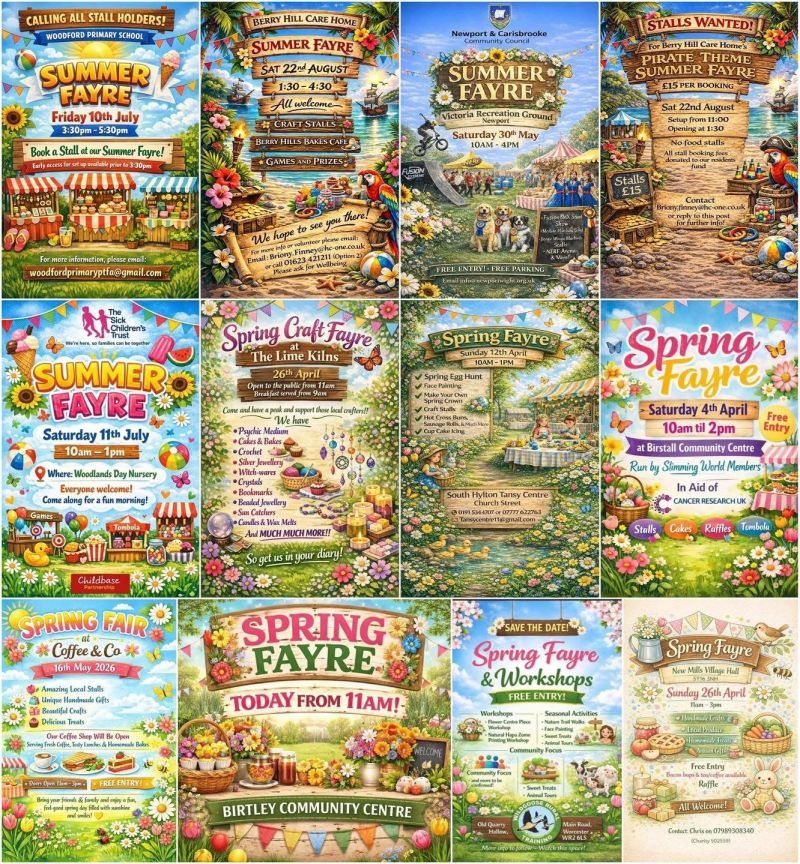
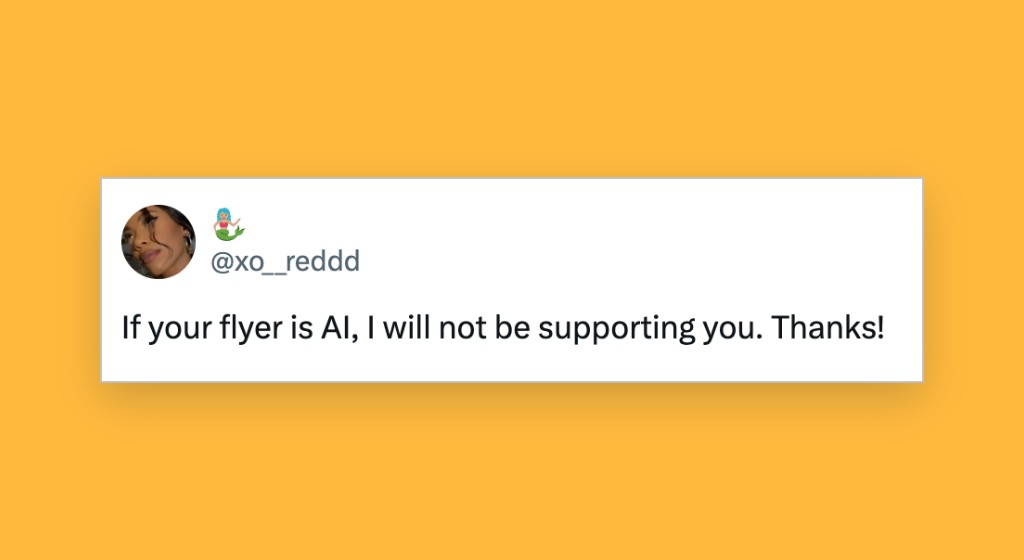
Here's roughly how we think about how best to use AI. We'll use AI for things that would otherwise be very difficult to pull off, because it lets us tell a better story. What we won't do is generate a fake talking head or a testimonial that didn't happen. The entire point of a testimonial is that it's real. Take that away and it stops being a testimonial. It's just marketing material with someone's face on it.
The takeaway: Consumers read sloppy marketing as a preview of a sloppy product. Let AI help with some of the heavy lifting behind the scenes, but keep your real voice and your real people firmly out front. That's what audiences trust.
03 · Why Joburg keeps producing runaway successes.
Johannesburg is estimated to generate somewhere around 16% of South Africa's national GDP on its own, and it remains the country's main gateway for outside investment. But the number that interests us more is a simpler one: this city has a lot of people with money to spend, who want to spend it, and arguably not enough businesses giving them a reason to.
You can see it in hospitality. Places like Nine Yards have opened to the kind of demand that outgrows their own parking within months. Pantry and Marble have built the same kind of following. None of that happens by accident, and it isn't really about the food alone.


It comes down to a fairly simple recipe: get the offer right, the price right, the package right, and communicate all of it properly, and there's no shortage of buyers in this city. If anything, the shortage runs the other way.
The takeaway: The recipe is simple: get the offer right, price it right, package it right, and communicate the value clearly. Do that anywhere and the buyers are already waiting.
A fresh look for us
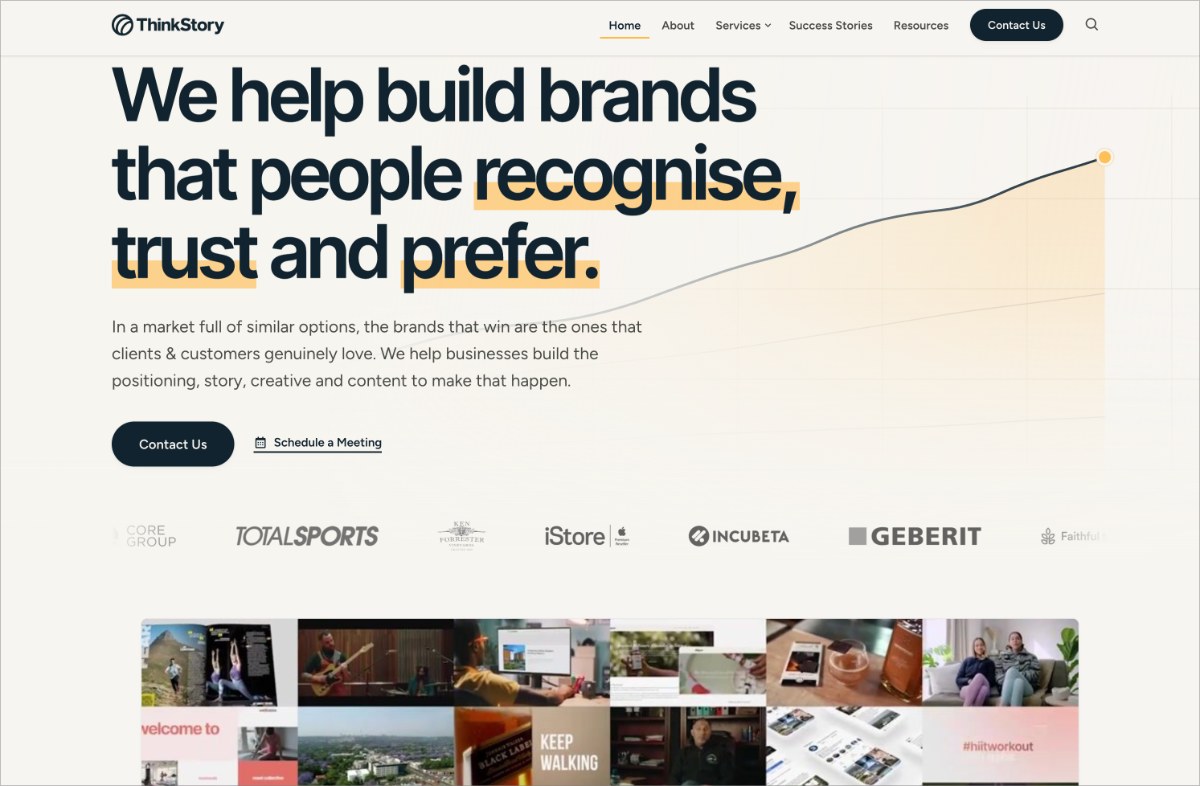
Speaking of getting the message right, we've just revamped our own website. We've got a cleaner look and a smoother experience end to end. Take a look next time you're passing through.
Links for you
A few things from our desk worth a click:
- The Full Story: February 2026. Catch up on our last issue, in full on the website.
- The trends behind this issue. More of our notes on AI, voice, and what's working in SA marketing right now.
- Success stories. The kind of work behind the ideas in this newsletter.
A word of advice
A few things we'll be keeping an eye on for the rest of the year:
- Real stories over polished ones. As AI slop worsens, we expect the businesses that keep a real, human voice in their marketing to keep pulling ahead of the ones that don't.
- AI used with care. Where AI shows up in content, expect audiences to keep rewarding brands that are upfront about it, and to keep scrolling past the ones that try to pass it off as something it isn't.
- Video content that earns its place. As feeds get more crowded, video that tells a real story is likely to keep outperforming anything that feels templated.
- Organic social as brand building, not a sales channel. The businesses getting the most from social media this year are treating it as a way to be known, not just a way to be sold to.
Warm regards, the ThinkStory Team.